
Hospitality
Invitations & meals
When invited to someone's home, ask whether you should bring anything. A sincere thank-you after the visit is always appreciated.
Journey from the North Sea to the Alps. Discover historic towns, contemporary cities, regional traditions and food stories that reveal Germany beyond its familiar clichés.
Germany is a federal country with strong regional identities. Maritime cities in the north, wine-growing landscapes in the west, historic towns in the east and Alpine traditions in the south each offer a different perspective.
Its cultural life includes literature, classical music, contemporary art, engineering, football, seasonal festivals, regional dialects and a remarkable range of bread and baking traditions.
There is no single way to experience Germany. A good introduction begins with its regions, its people and the everyday details that rarely fit on a postcard.

Culture is more than monuments. It is also how people greet one another, organise daily life, celebrate, eat and spend their free time.
When invited to someone's home, ask whether you should bring anything. A sincere thank-you after the visit is always appreciated.

Walking, cycling, hiking, lakes and public parks feature in many people's leisure time. Follow trail signs and respect local nature rules.

Clear communication is often valued. “Sie” is useful in formal or unfamiliar situations; “du” may be used when invited or when the setting is informal.
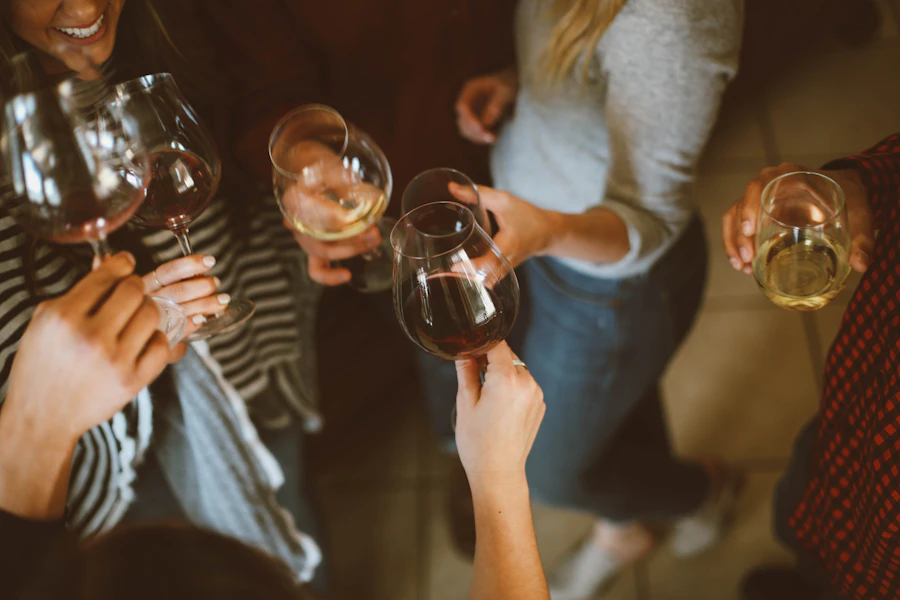
Christmas markets, carnival, wine festivals and town fairs combine seasonal food, crafts, music and community traditions.

Appointments, punctuality, written arrangements and clear responsibilities matter in many professional settings, though every workplace is different.

Discover Goethe and Schiller, Bach and Beethoven, as well as contemporary writers, filmmakers, designers, musicians and scientists.
A curated introduction to the country's diverse landscapes and culinary identities.
Ports, maritime history, fish dishes, brick architecture and North Sea and Baltic landscapes.
Layered history, contemporary art, international communities, lakes, forests and regional baking.
Rhine landscapes, wine regions, Rhenish Sauerbraten and Frankfurt's famous green herb sauce.
Forest landscapes, potato dumplings, Thuringian sausage and distinctive Christmas baking traditions.
Black Forest scenery, Swabian Spätzle, Maultaschen, vineyards and hearty regional cooking.
Alpine lakes, historic towns, pretzels, dumplings, beer gardens and Oktoberfest in Munich.
German cuisine is not one standard menu. It reflects regional agriculture, climate, history, neighbouring countries and family traditions. Explore each recipe by region and discover how everyday ingredients become local specialities.
Fresh egg noodles layered with melted cheese and golden onions. A beloved Swabian comfort food.
Regional note: Spätzle is a southern German speciality. Cheese blends and onion toppings differ between households.
Crisp grated-potato pancakes with a tender centre, often served with apple sauce. Known regionally as Reibekuchen or Reiberdatschi.
The name and preferred accompaniments vary by region. Apple sauce is a familiar sweet pairing; savoury versions are also common.
Large filled pasta parcels associated with Swabia. They can be served in broth or sliced and pan-fried.
Fillings differ by household and butcher. This is a home-cooking version; meat-free versions are adaptations rather than the only traditional formula.
Traditional Thuringian potato dumplings, often served alongside roast meat and gravy.
Traditional Thüringer Klöße are technique-sensitive. Potato moisture and starch content matter greatly. This simplified method is an introduction, not a definitive regional master recipe.
A chocolate sponge cake layered with cherries, whipped cream and chocolate shavings. This is a home-friendly, alcohol-free adaptation.
Authenticity distinction: traditional versions may include Kirsch, a cherry spirit. Omitting it makes this a practical alcohol-free adaptation, with a different flavour.
A cool, herb-rich sauce traditionally associated with Frankfurt, often served with boiled potatoes and eggs.
The traditional Frankfurt herb mix is the defining feature. If the exact herbs are unavailable, a substitute mix is possible, but should be labelled as an adaptation.
Further reading: Germany Travel — German cuisine · Recipes from Germany. These are educational home-cooking recipes with regional context, not officially certified recipes.
Longer days, gardens, markets and seasonal asparagus. Availability depends on the region and weather.
Lakes, hiking, cycling, open-air concerts, outdoor cafés and local festivals.
Harvest celebrations, wine festivals, colourful forests and Oktoberfest in Munich.
Advent calendars, Christmas markets, seasonal baking, festive lights and regional winter dishes.

A first itinerary might combine a major city, a historic town and a landscape that invites you to slow down.

Explore the Brandenburg Gate, museums, neighbourhoods, contemporary art and the city's layered history.

Discover historic squares, markets, museums, Bavarian food and access to lakes and Alpine scenery.

Explore half-timbered streets, old market squares and regional architecture. Check individual destinations before planning a trip.
Use these practical phrases in a café, market or restaurant.
A common phrase before eating.
Useful in cafés and restaurants.
A polite way to order.
A common informal expression.
Use when you are ready to pay.
Ask about a dish's ingredients.
German becomes more meaningful when you connect it with real places, food, customs and everyday conversation. Continue your learning journey with Fortgang Institut.
This independent educational guide is not an official government publication. Regional food traditions have variations; recipe instructions are educational home-cooking versions.